
Tree Removal in Perth: Costs, Permits, and Picking a Crew You Won’t Regret Hiring
Tree removal in Perth is one of those jobs people think is simple until they’re staring at a leaning trunk, a power line, and a quote that reads like a restaurant bill with “market price” written on it.
Here’s the reality: the cost depends on access, risk, size, and what you want done afterward (stump, debris, site restoration). Permits can be a headache, or a non-event, depending on the council and the tree. And the cheapest operator is often the one most likely to disappear when something goes wrong.
One line I live by:
You’re not paying for the cut. You’re paying for control.
How Perth Tree Removal Pricing Actually Works
If you’ve been hoping for a neat per-tree price list, you won’t get one that means much when it comes to [Perth tree removal](https://www.williamstreepro.com.au/). Two “similar” trees can cost wildly different amounts to remove because removal isn’t a product, it’s a risk-managed operation.
Main cost drivers:
– Size and canopy spread: Big crowns mean more rigging, more drop zone management, and more time on ropes.
– Location: Over a shed, near a fence, hanging over a neighbour’s driveway… the price goes up because the margin for error goes down.
– Access: Can a truck and chipper get close? Or is it a tight backyard with stairs and no gate? I’ve seen access double labour time.
– Tree condition: Dead or storm-damaged trees behave badly. Brittle limbs snap early. Hollow trunks do weird things under load (and no one wants to “find out” mid-cut).
– Nearby constraints: Power lines, comms cables, solar panels, septic systems, retaining walls, the fun stuff.
Now, this won’t apply to everyone, but… the job is often priced less like “tree removal” and more like “how many complicated problems does this site create for the crew?”
A quick stat, because it matters
Tree work is consistently one of the more dangerous trades. In Australia, tree falling and land clearing is a known contributor to fatalities and serious injuries in agriculture/forestry-type work. Safe Work Australia’s fatalities reporting regularly shows plant, falls, and being hit by falling objects as major mechanisms of workplace death and injury (source: Safe Work Australia, worker fatality statistics and hazard profiles, https://www.safeworkaustralia.gov.au).
That’s not a scare tactic. It’s why serious operators cost more: they’re set up to avoid becoming a statistic.
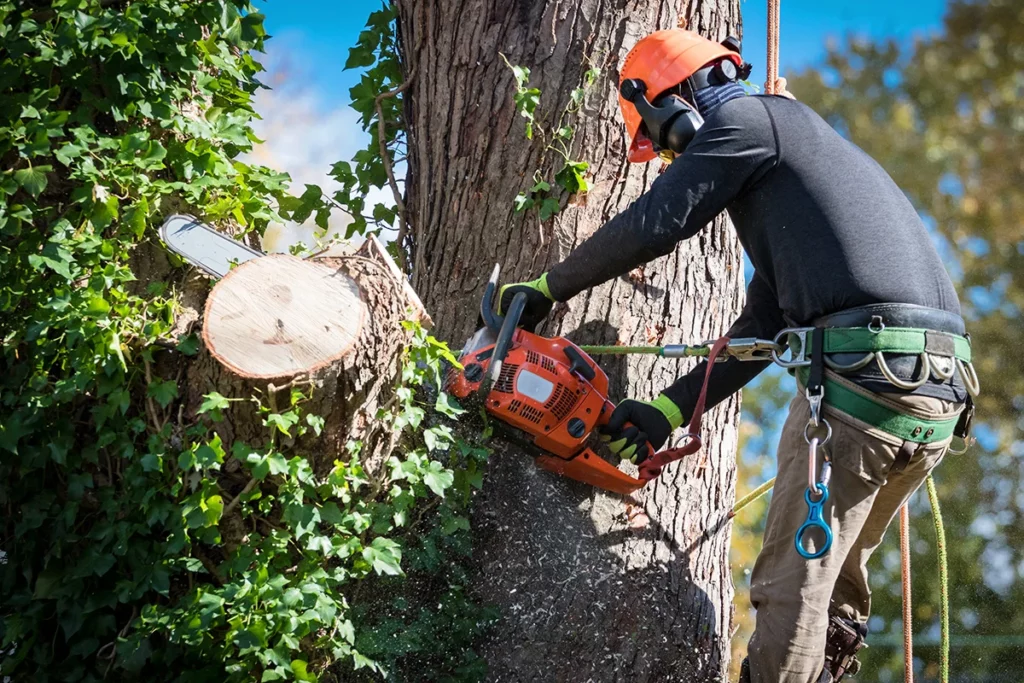
Hot take: If the quote is “cheap,” assume something is missing
Look, I like a bargain as much as anyone. But in Perth tree removal, suspiciously low quotes usually mean one (or more) of these:
– no insurance (or the wrong type)
– no proper rigging plan
– no allowance for stump grinding or green waste disposal
– “we’ll just see on the day” pricing
– a crew that’s under-skilled for the hazard level
And yes, I’ve seen homeowners pay twice: once for the cheap job, then again to fix the mess.
Permits in Perth: Do you need one or not?
Sometimes yes. Sometimes no. Sometimes you don’t need a permit for the removal, but you still need permission to work in a verge area or near a road reserve. That’s where people get caught.
You may need council approval if the tree is:
– protected/significant under a local planning scheme
– on or near a boundary (especially if it’s arguably shared)
– on a verge or close to public infrastructure
– habitat-bearing (hollows, nests), or part of an environmental overlay area
The clean way to handle it: call your local council, ask what triggers approval, and get the answer in writing if possible. If you’re unsure, a qualified arborist can write an assessment that’s actually useful for an application (photos, hazard notes, structural defects, risk rating, real evidence, not “tree bad, please remove”).
Unauthorized removals can lead to fines and reinstatement requirements, and councils don’t always accept “I didn’t know” as a charming excuse.
What “total cost” should include (and what people forget)
Some quotes look cheaper because they only cover the moment the tree hits the ground. That’s not the whole job.
Here’s what commonly sits inside the real project price:
Removal scope
– sectional dismantle vs straight fell
– rigging and lowering (if there’s no safe drop zone)
– traffic/pedestrian control if near street access
Stump grinding
– depth and diameter matter
– access matters more than people think
– ask whether they’ll grind below grade for turfing/landscaping
Debris and disposal
– chipping included or not?
– logs removed or left stacked?
– green waste dumped legally (fees can be real money)
Site prep / making it usable again
– raking and blowing down paths
– minor leveling/backfill after stump grind
– protection of surrounding garden beds or paving
Here’s the thing: if you want the area ready for lawn, paving, or replanting, say that upfront. Otherwise you get “tree removed” and a messy crater that still needs work.
When a licensed WA arborist isn’t optional
If the tree is small, isolated, and you’ve got a clean fall zone, you might not need an arborist-level operation. Plenty of straightforward removals exist.
But I’d get a properly qualified professional involved when there’s:
– power lines overhead or service lines nearby
– structural lean, storm damage, deadwood in the crown
– targets underneath (roof, carport, fences, neighbour’s property)
– root interaction with paving, walls, or foundations
– any uncertainty about stability (that “will it go?” feeling)
In my experience, the worst jobs start with someone saying, “It doesn’t look that bad.”
Credentials: what to ask for (and actually check)
Don’t just accept “yeah mate, we’re insured.”
Ask for:
– public liability insurance certificate (current dates)
– workers compensation coverage (if they have staff)
– qualifications (arboriculture training, not vague “tree guy” claims)
– written scope + method statement for complex work
And if they get cagey? That’s your answer.
Quotes and contracts: the red flags that keep repeating
Some operators are honest but disorganised. Others are polished and slippery. Either way, you want the details nailed down.
A quote is weak if it contains:
– vague language like “tree removal and associated works”
– no mention of stump or green waste
– no access assumptions (crane? EWP? climbing only?)
– exclusions that swallow the whole job (“disposal not included” is common)
– “subject to inspection” even after they’ve inspected it
A decent quote reads like a checklist. It says what happens, what doesn’t happen, and what triggers variations.
One opinionated rule: if you can’t compare two quotes line-by-line, at least one is hiding the ball.
Warranties and cleanup (the unglamorous part that matters)
Tree removal warranties aren’t like appliance warranties. Nobody can “warranty” that your garden won’t look disturbed after a truck rolls through.
What you can expect in writing:
– damage responsibility (who pays if they hit your guttering?)
– what “cleanup” means (raked? blown? removed?)
– what happens with mulch/logs (left onsite or taken?)
– stump regrowth expectations (some species sucker, ask how they handle it)
Cleanup, done properly, is methodical: final rake, blow hard surfaces, remove stray branches, check for hanging deadwood in nearby trees that got bumped, and confirm gates/fences/access points are intact. If oil leaks or staining happens, push for remediation. Good operators don’t argue about this, they fix it.
Comparing Perth contractors without losing your mind
You don’t need a spreadsheet… but you do need a system.
I score them mentally on:
- Clarity: Do they explain the method? Or just the outcome?
- Safety maturity: PPE, exclusion zones, rigging plan, traffic control where relevant.
- Documentation: Itemised quote, insurance, timing, permit guidance.
- Competence signals: They notice hazards you didn’t. They talk about drop zones and anchor points, not just chainsaws.
- Cleanup plan: Not hand-wavy. Specific.
Communication counts too. If they can’t return a call before you’ve paid them, don’t expect responsiveness after.
Timing and seasons in Perth (yes, it changes the job)
Perth weather doesn’t just affect comfort; it changes risk.
– Summer heat: higher fatigue, hydration demands, equipment stress. Some crews start earlier for good reason.
– Autumn/winter storms: more emergency work, more unstable trees, tighter schedules.
– Windy days: rigging is harder, directional felling is less predictable, and crews may postpone if it’s not safe.
If a contractor is willing to do a high-risk dismantle in sketchy wind because “we’ll be right,” that’s not confidence, that’s poor judgment.
What the removal day should look like (so you know if it’s going well)
A solid crew doesn’t just show up and start cutting. You’ll typically see:
– a quick site briefing (who’s doing what, where the drop zone is)
– barriers or exclusion zones set up
– controlled sectional removal if targets exist
– debris managed progressively (not piled everywhere until the end)
– a final walk-through: what’s been removed, what’s left, what’s next
If they’re tossing heavy limbs blindly, working under suspended loads, or cutting without a plan, stop the job. That might feel awkward, but it’s better than calling your insurer.
If you want, tell me your suburb, tree type (if you know), approximate height, and what it’s near (house, fence, power, pool). I can outline what usually drives pricing and which quote line items you should insist on for that setup.