
Solid state relay symbol reference improves troubleshooting in complex automation networks
In modern automation networks, identifying and resolving issues quickly is critical for maintaining efficiency and productivity. A solid state relay (SSR) symbol reference serves as a key tool for engineers and technicians, enabling streamlined troubleshooting in increasingly complex systems.
Understanding the Role of Solid State Relays in Automation
Solid state relays are electronic switching devices that control high-power circuits using low-power signals. Unlike mechanical relays, SSRs operate without moving parts, offering faster switching times, longer operational life, and reduced maintenance. Knowing how to read and interpret SSR symbols ensures that operators can accurately trace control signals, monitor circuit functionality, and diagnose potential faults efficiently. Technicians rely on solid state relay symbol for quick identification.
Key advantages of SSRs in automation:
- Silent operation with no mechanical noise.
- High-speed switching reduces response times in critical systems.
- Resistance to vibration and environmental stress increases reliability.
- Enhanced longevity compared to electromechanical alternatives.
Importance of SSR Symbol References in Troubleshooting
Automation networks often consist of interconnected devices, sensors, and control units. Misinterpretation of relay functions can lead to extended downtime or misdiagnosis of faults. SSR symbol references act as a visual guide, allowing technicians to pinpoint problem areas with clarity.
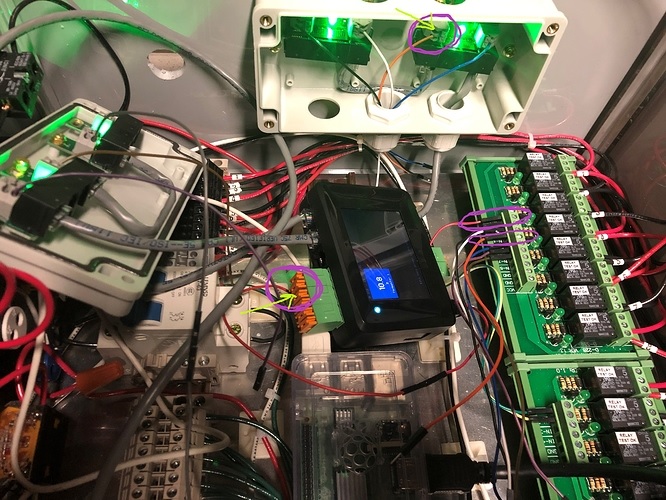
How SSR symbol references aid troubleshooting:
- Provide a quick visual representation of input and output connections.
- Clarify switching modes, such as AC or DC load operation.
- Highlight control logic and signal flow within circuits.
- Reduce dependency on memory or trial-and-error testing.
Practical Applications in Complex Networks
In large-scale automation environments, such as manufacturing plants or process control systems, SSR symbol references help simplify maintenance routines. Engineers can follow the schematic to test each relay stage without disrupting the entire system. This approach saves time, reduces operational risk, and enhances overall system reliability.
Practical benefits include:
- Faster identification of faulty relays and control paths.
- Easier coordination with other control devices and PLC systems.
- Minimized downtime through targeted troubleshooting.
- Improved documentation and training for technical staff.
Best Practices for Effective Troubleshooting
To maximize the benefits of SSR symbol references, technicians should combine schematic interpretation with proper testing techniques. Using multimeters or specialized diagnostic tools alongside symbol references ensures precise fault detection.
Recommended strategies:
- Cross-check symbols with actual wiring to avoid connection errors.
- Monitor voltage and current flow at each relay stage.
- Document observed anomalies and corrective actions for future reference.
- Update schematics regularly to reflect network modifications.
Conclusion
Leveraging solid state relay symbol references empowers automation professionals to tackle complex network issues with confidence. By providing clear visual cues and supporting methodical troubleshooting, SSR symbols enhance operational efficiency, reduce downtime, and promote reliable system performance. Integrating symbol references into daily maintenance routines not only simplifies troubleshooting but also fosters proactive management of automation networks.